Exhibition Text by Jordan Karney Chaim:
if only by the light of a new moon, the first solo museum exhibition by San Diego-based artist Cat Gunn, explores the complex terrain of inherited memory and the seemingly impossible nostalgia for a home that one has never known. This experience, familiar to immigrants, first-generation children, and anyone displaced by colonialism, war, or occupation, forms the emotional core of Gunn's deeply personal investigation into family history.
Gunn’s mother, Lida, grew up in poverty in post-war Manila. In the late 1970s she met Richard, an American working as a Vietnamese linguist with the US Air Force. They married and lived in various parts of the Pacific before ultimately settling in Baltimore, where Gunn was raised. Whether because of the language barrier (Gunn doesn’t speak Tagalog), faulty memories, or a reluctance to speak of hard times, Lida’s story–and by extension Gunn’s own Filipino heritage–has remained largely inaccessible to them. Using racial melancholia as a framework, Gunn considers how incomplete access to history—a consequence of political and personal denial, obstruction, or repression—affects individual identity and familial bonds in the present.
Developed during Gunn’s year-long residency at ICA San Diego in 2025, this exhibition dissects the mechanisms of collective forgetting that often erase colonial conquest and imperial violence, instead asking who controls these narratives and why crucial information often remains withheld. The exhibition's title evokes illumination that is only barely perceptible, suggesting a longing for even the faintest glimmer of hope or truth. This metaphor extends throughout the exhibition, in which the interplay of permeability, visibility, and invisibility convey the challenges of accessing the past.
This exhibition continues our 2026 season, The Hours Have Lost Their Clocks, a series of exhibitions exploring nostalgia and speculative futurism. While these two concepts seem to pull in opposite directions, they are inextricably linked by a sense of longing in the present. Both often share a utopian drive: the former yearns for an unattainable past, while the latter imagines idealized futures.
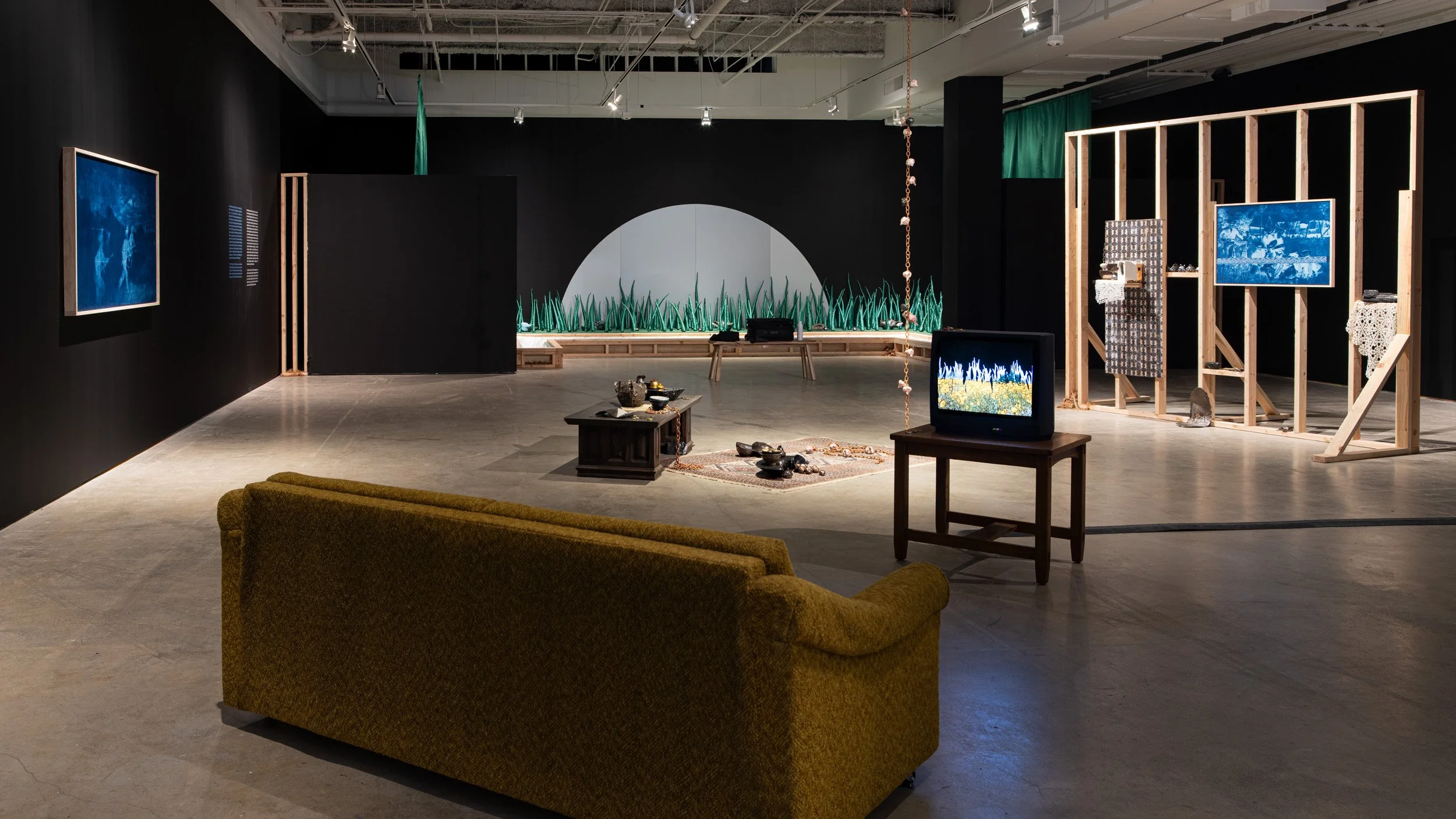
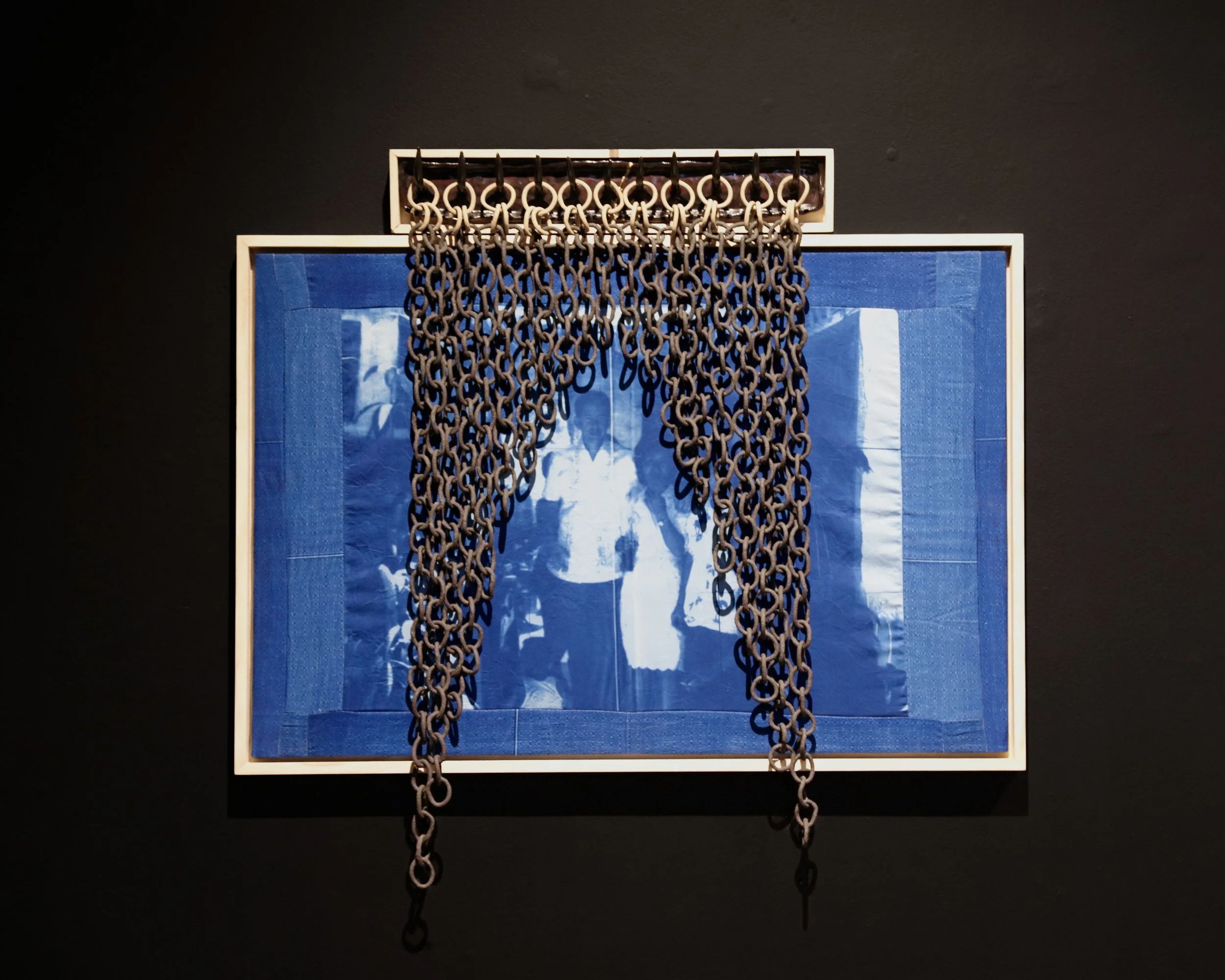
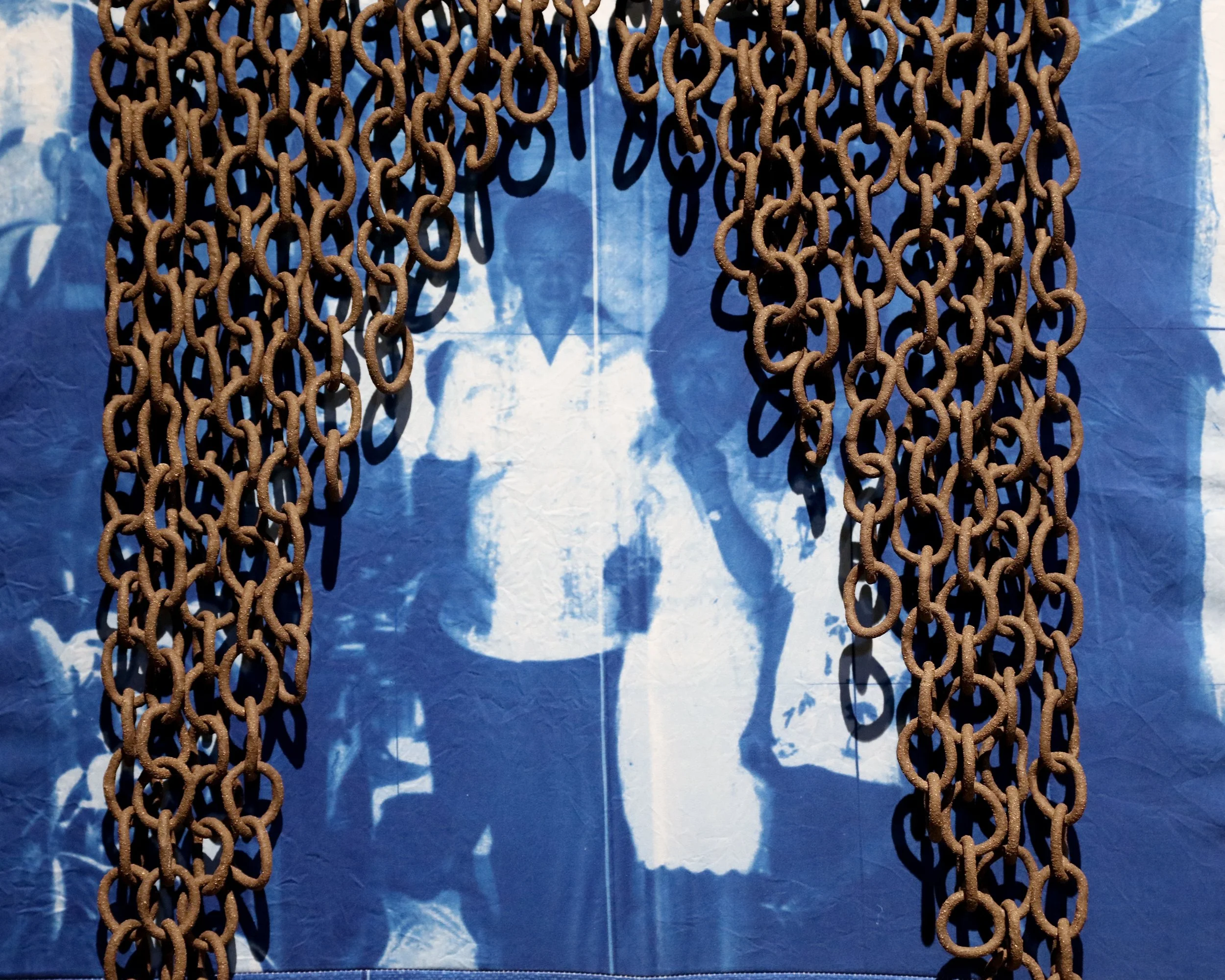
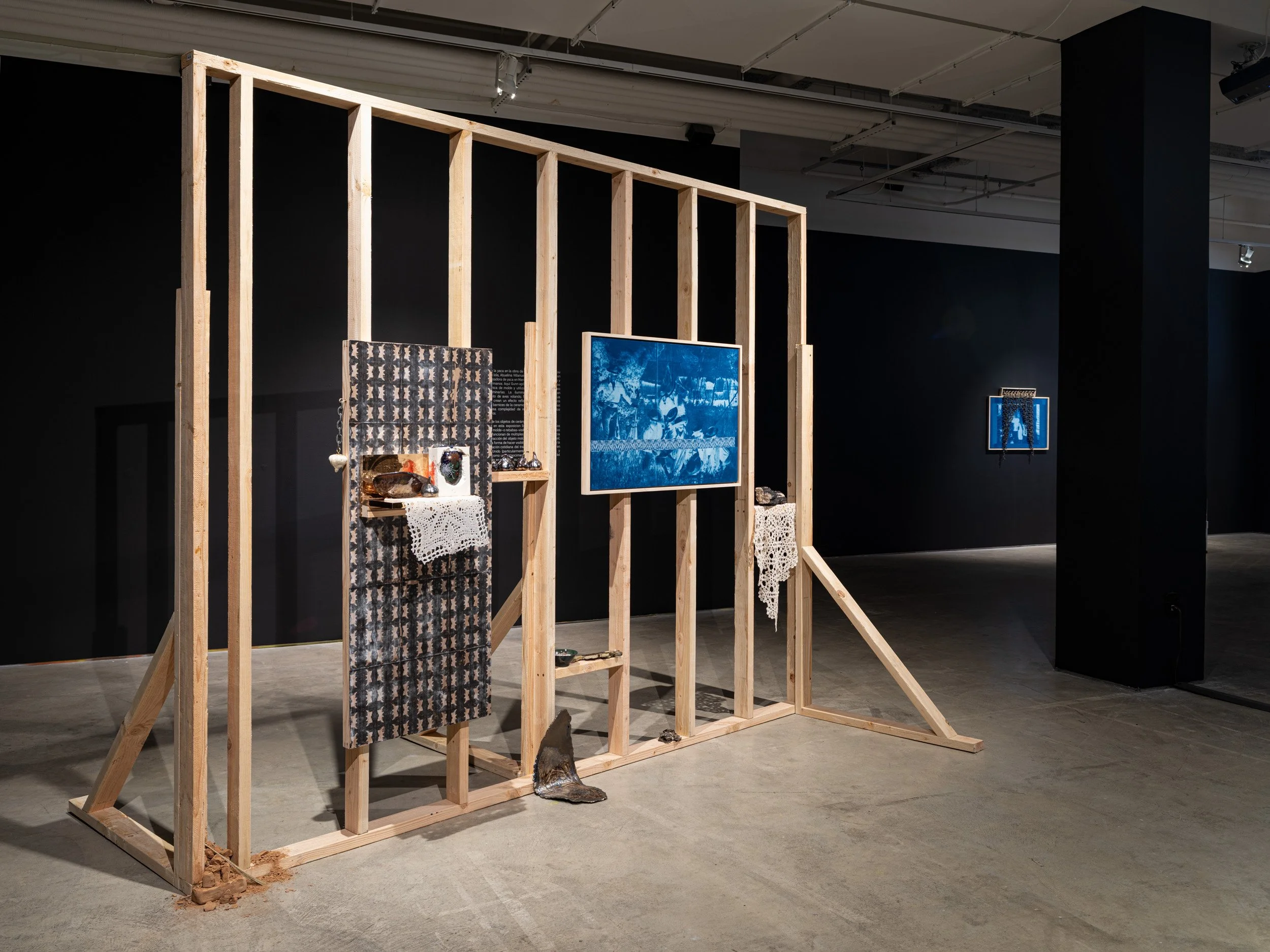
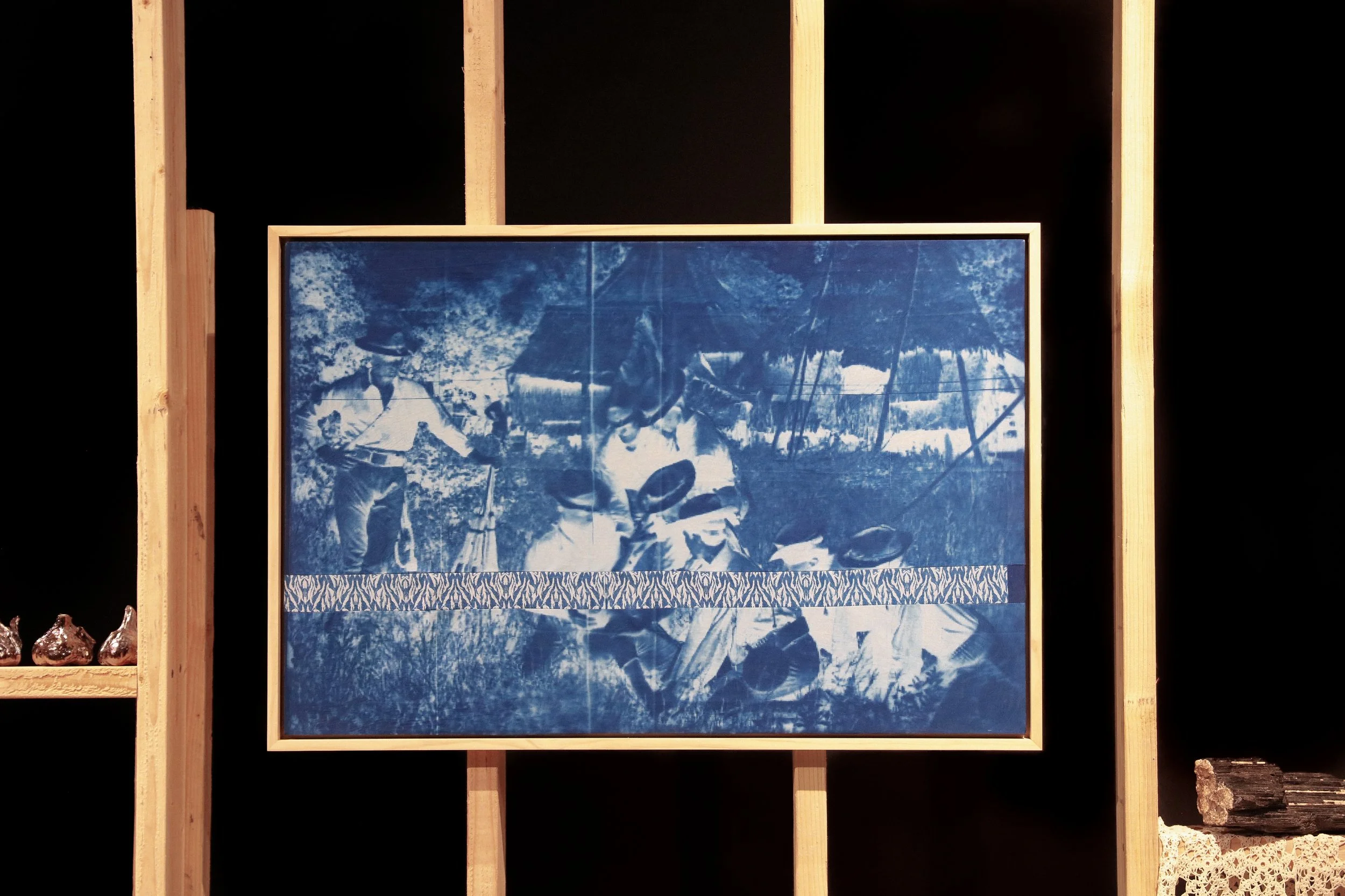
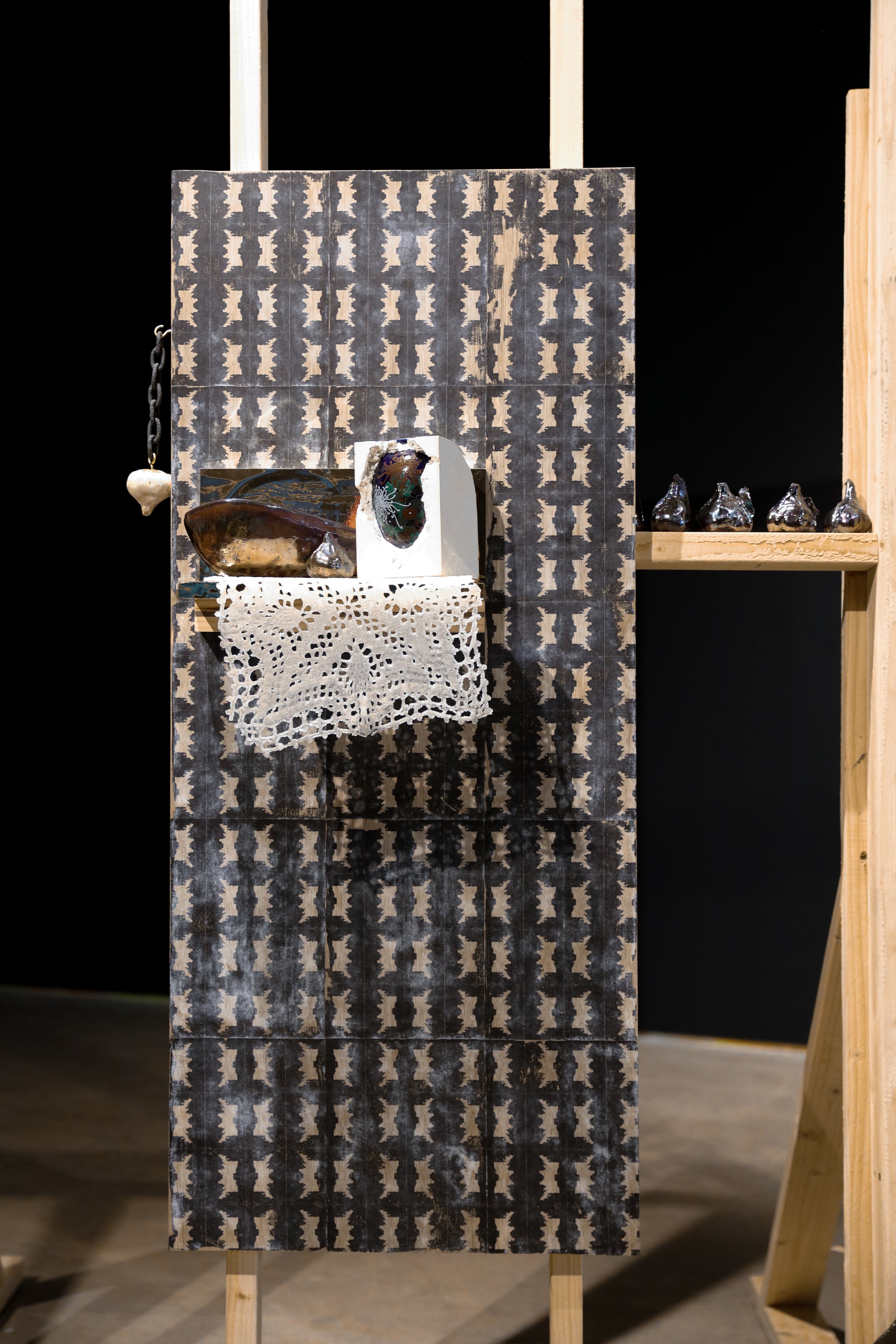
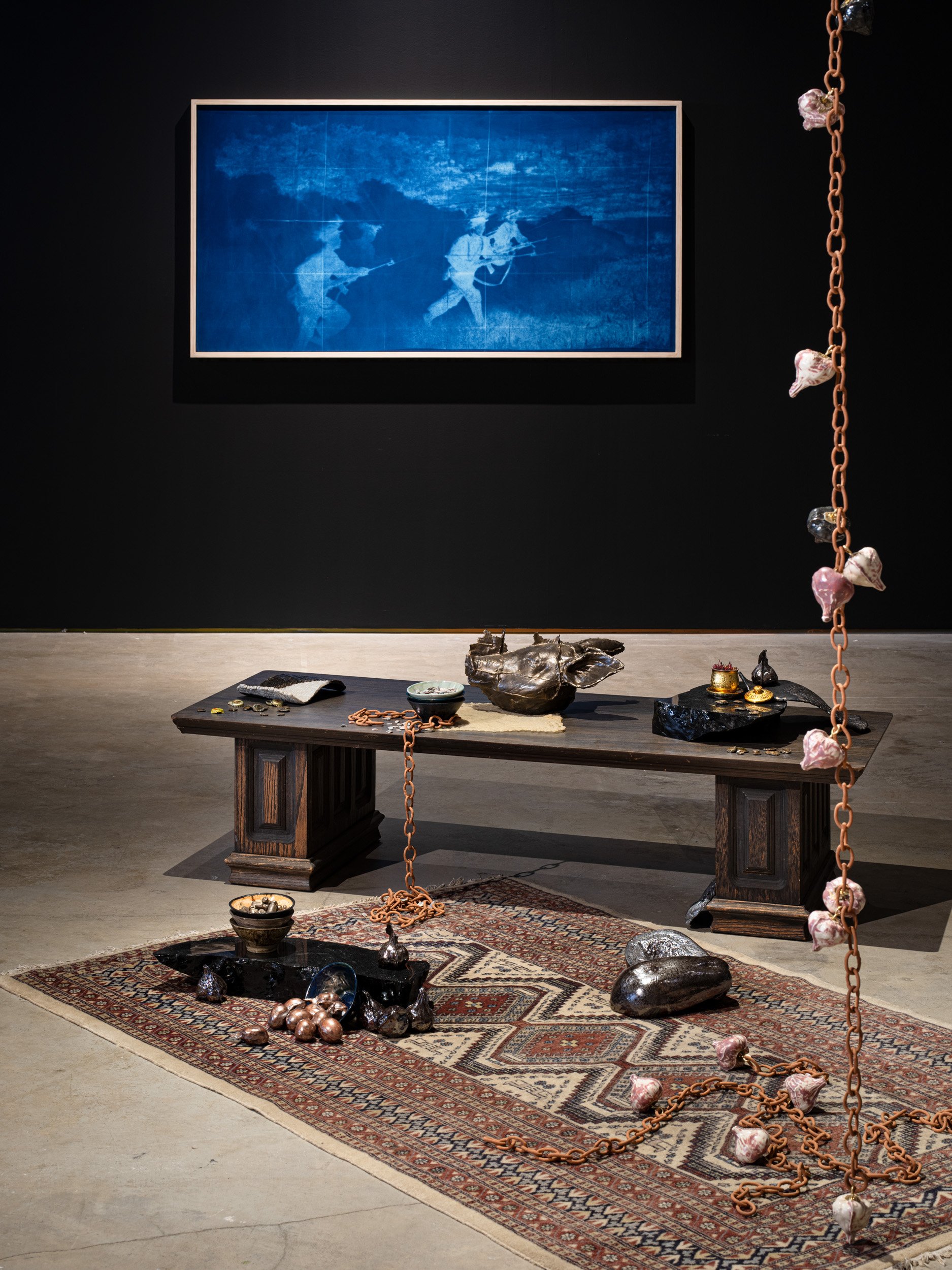
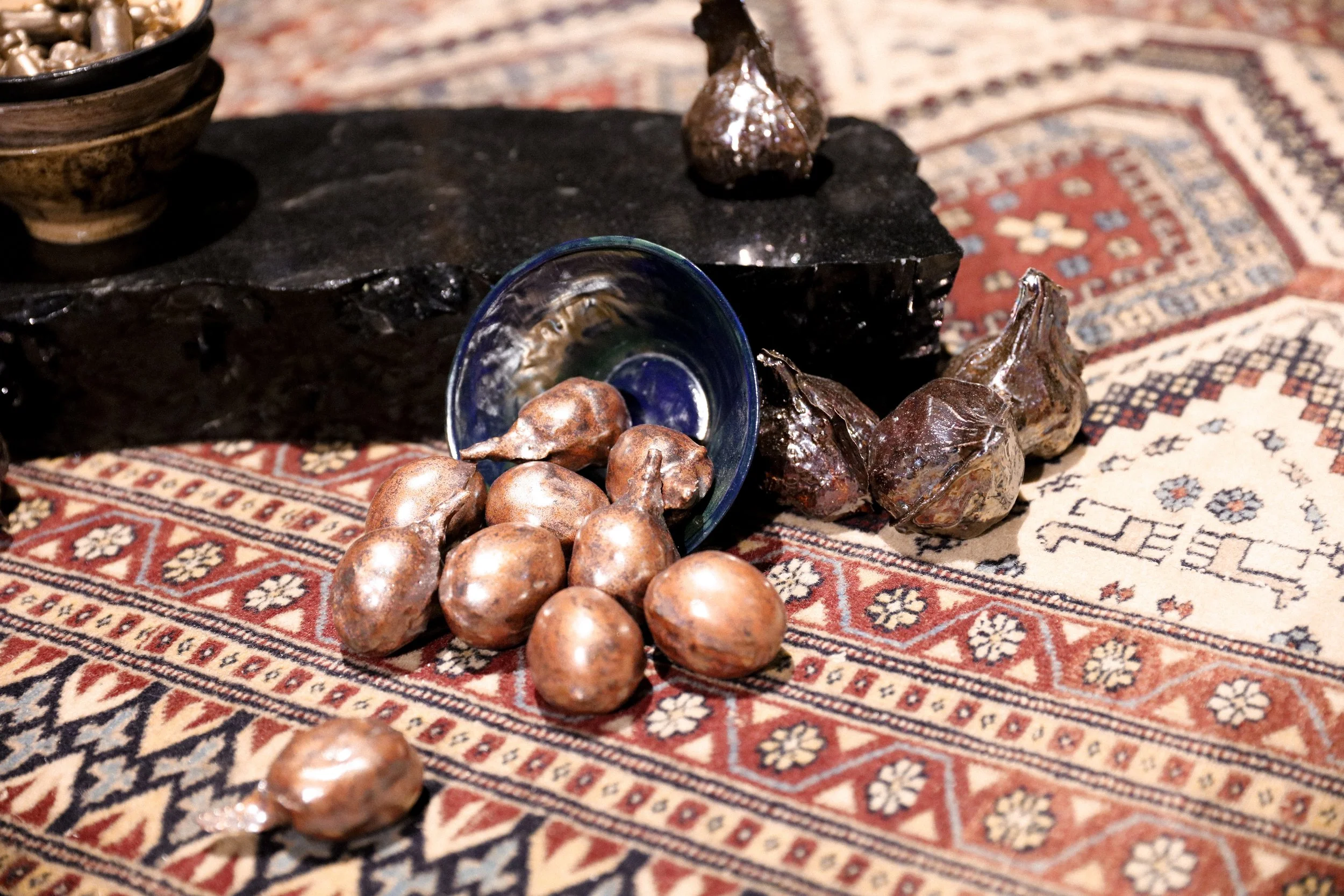
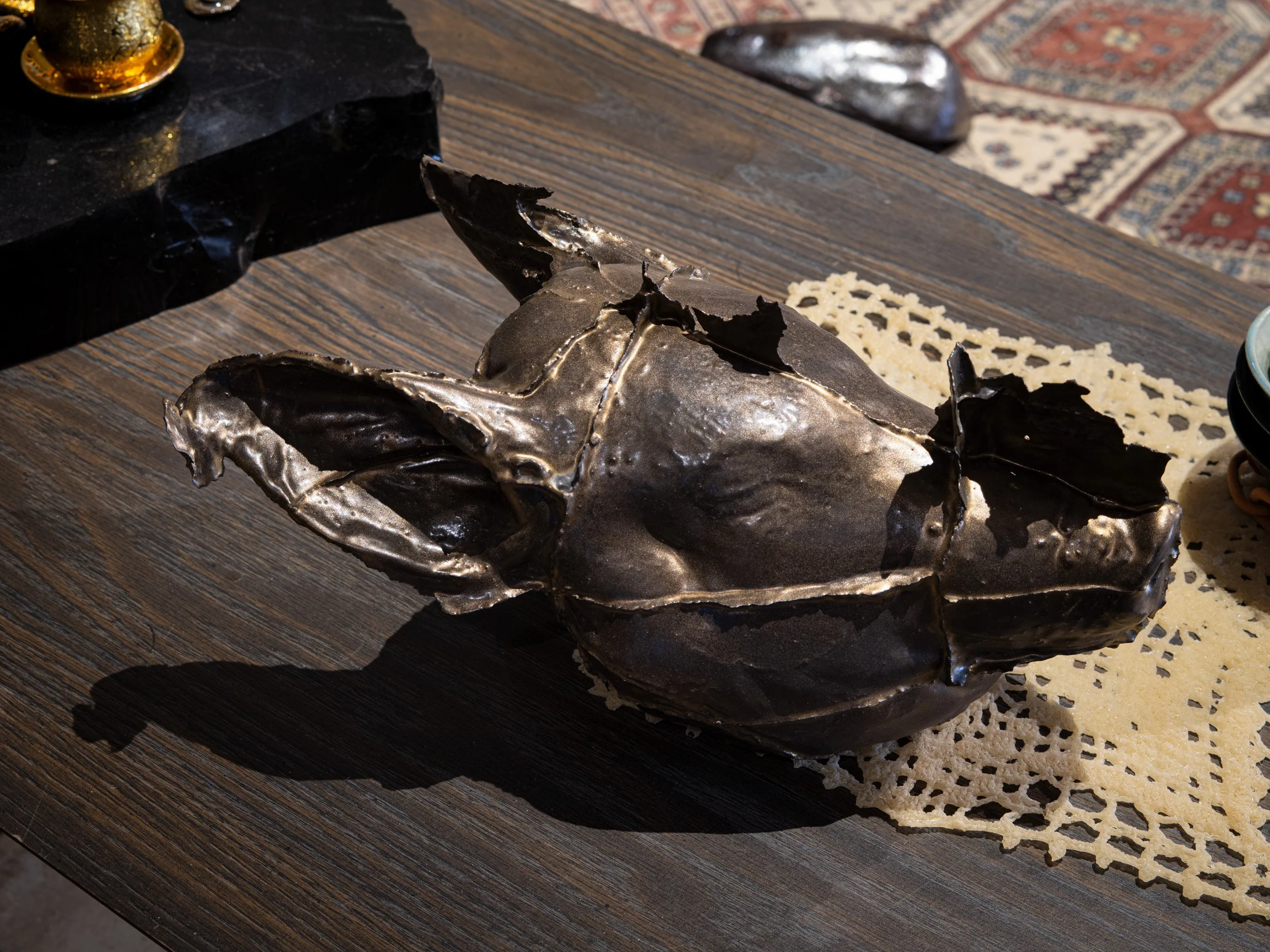
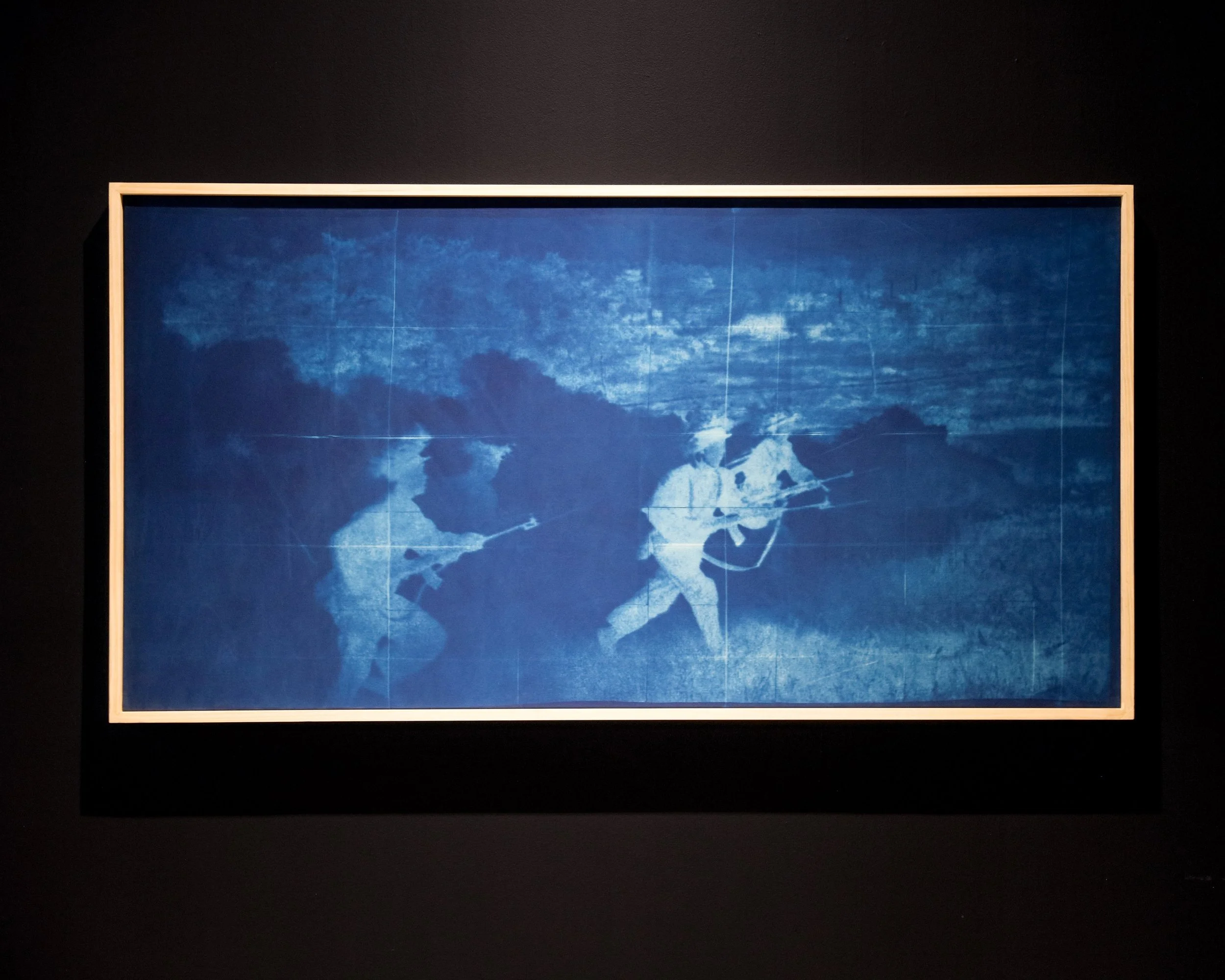
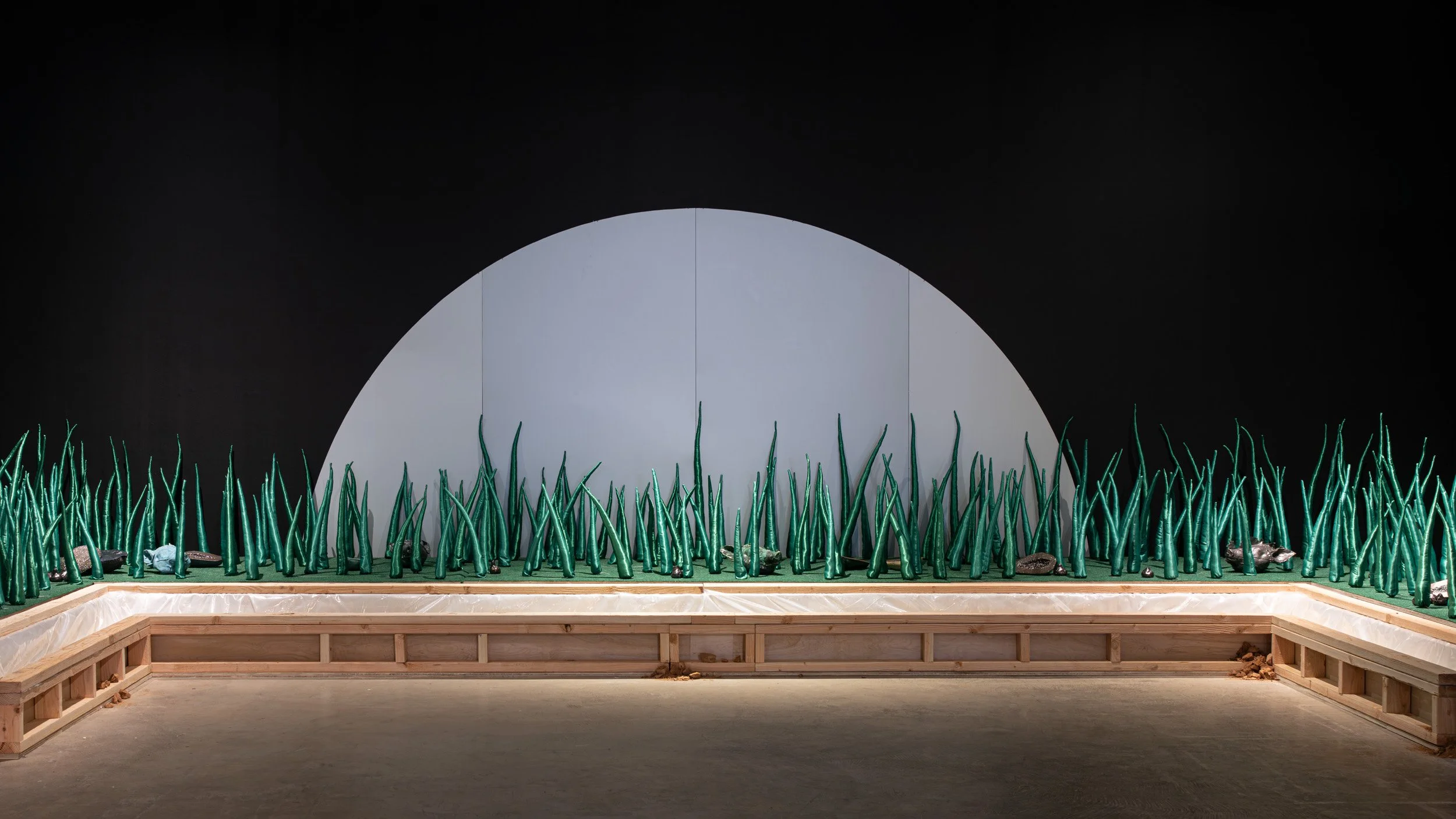
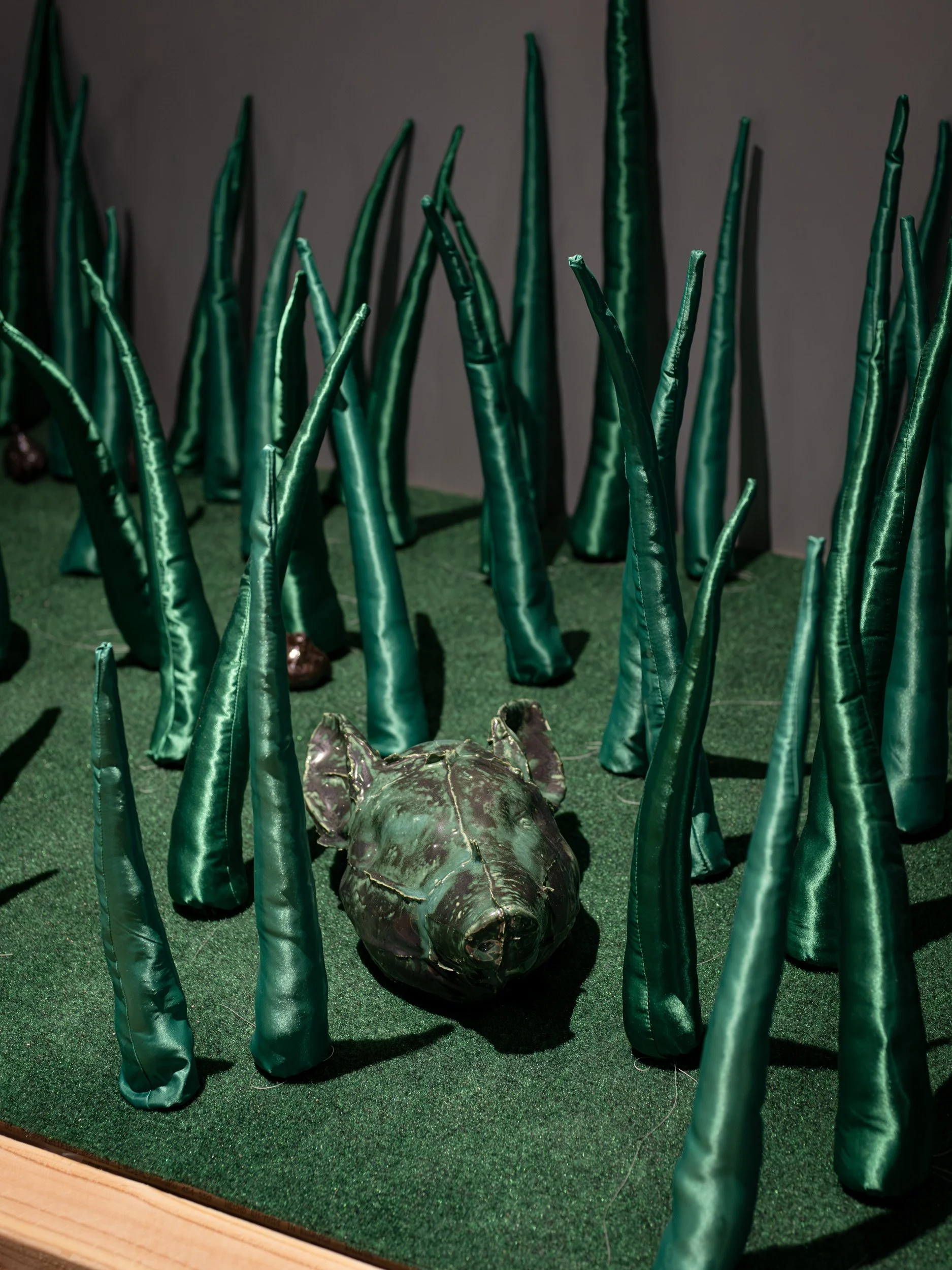
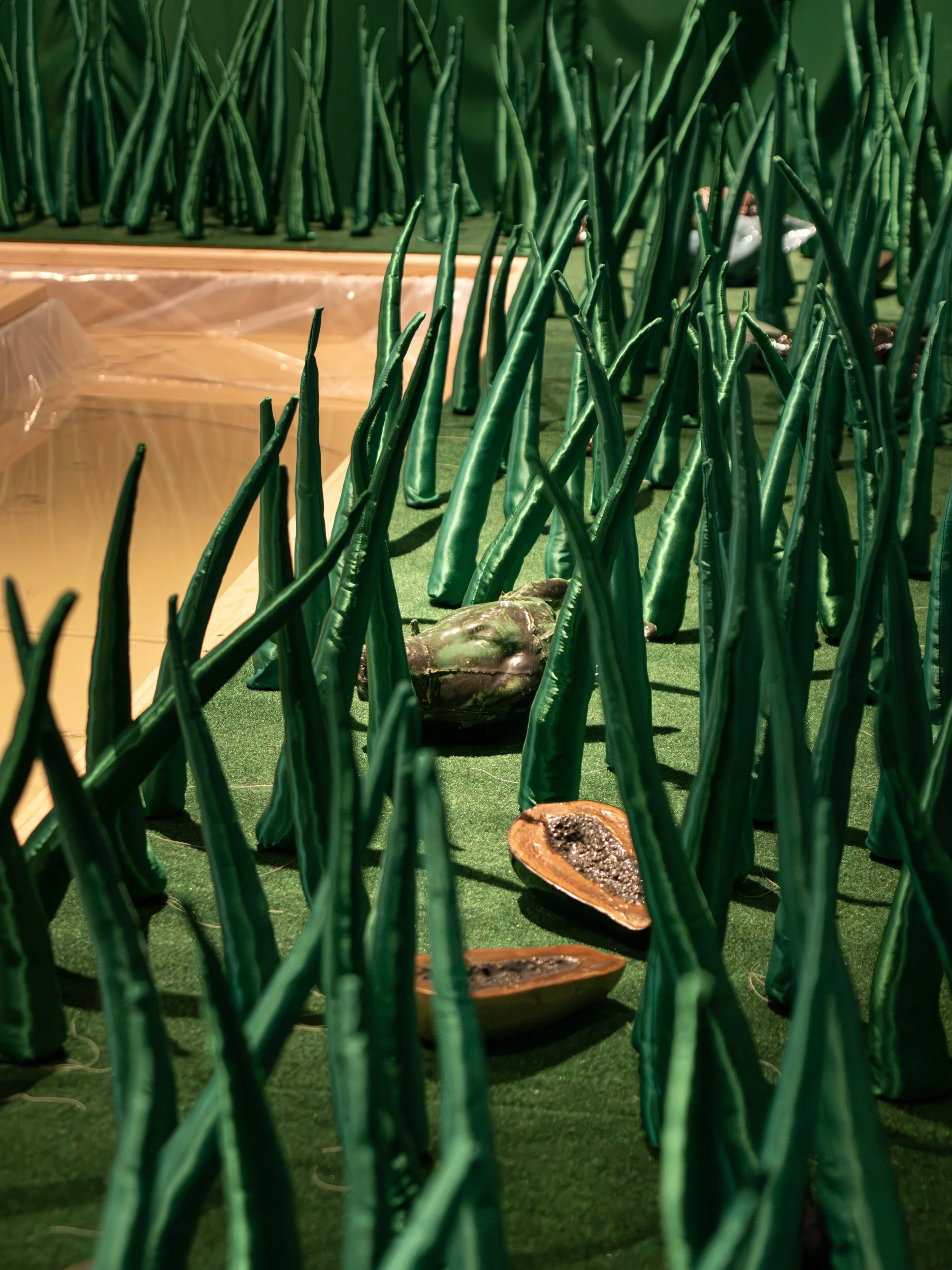
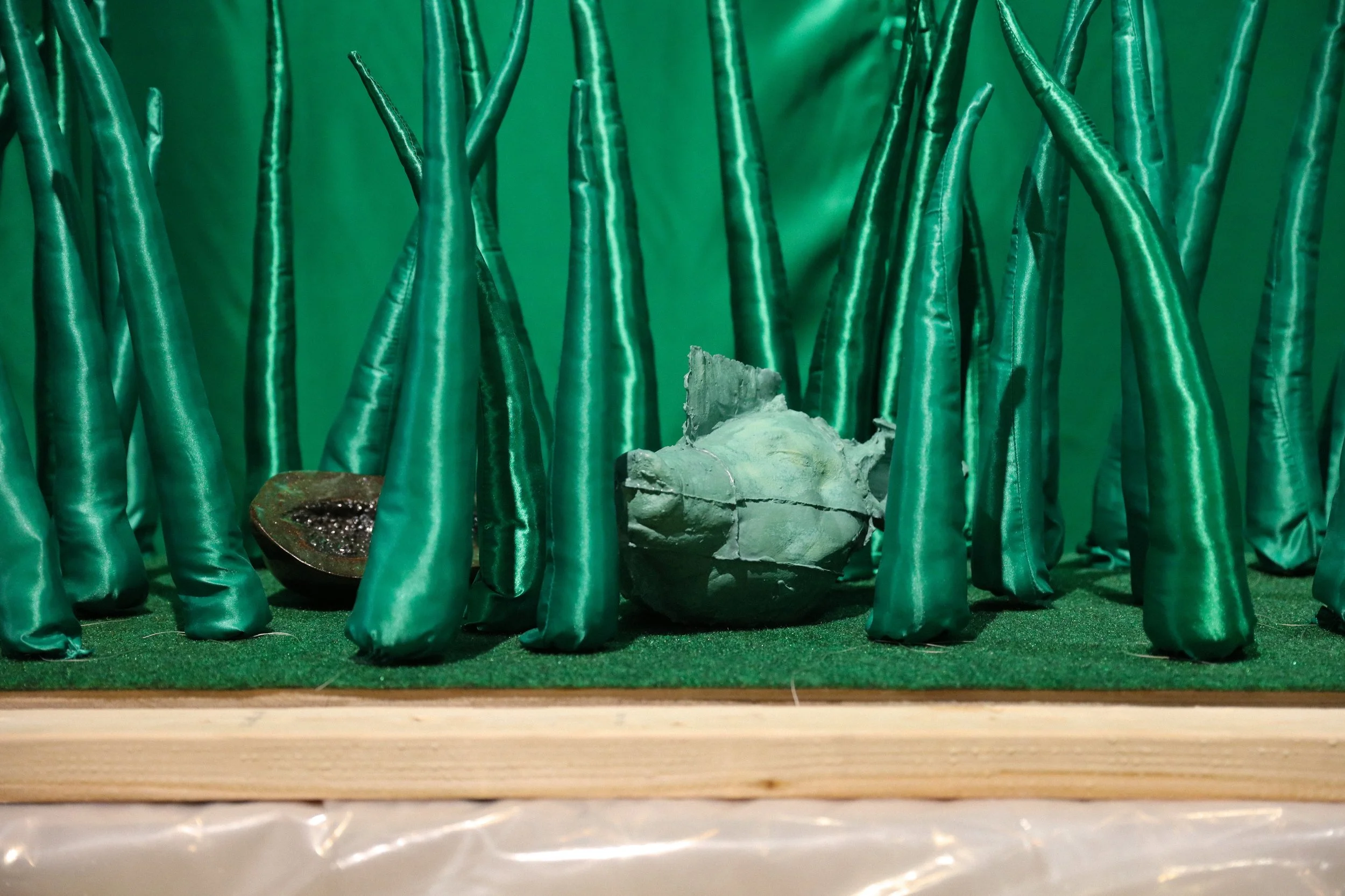
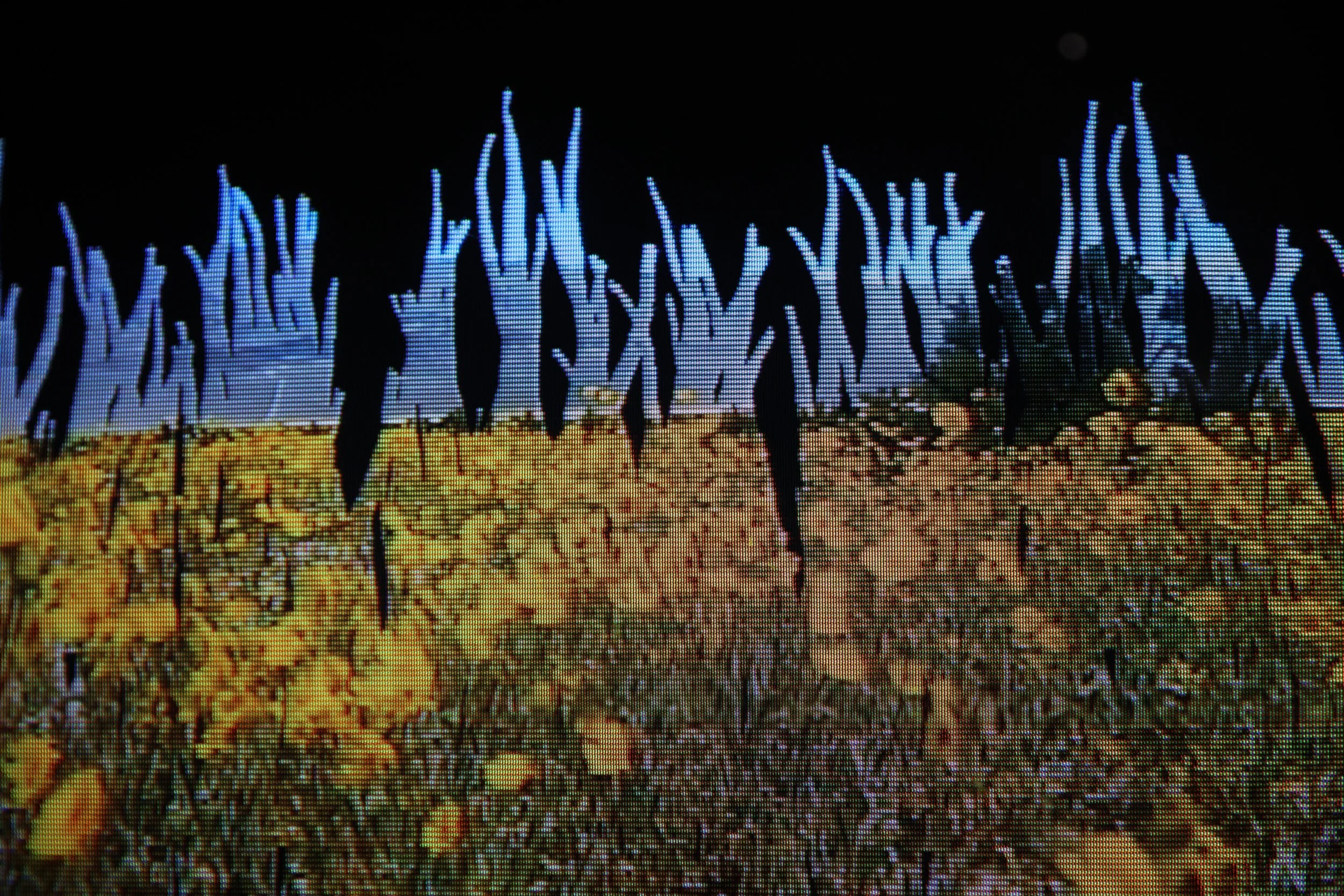
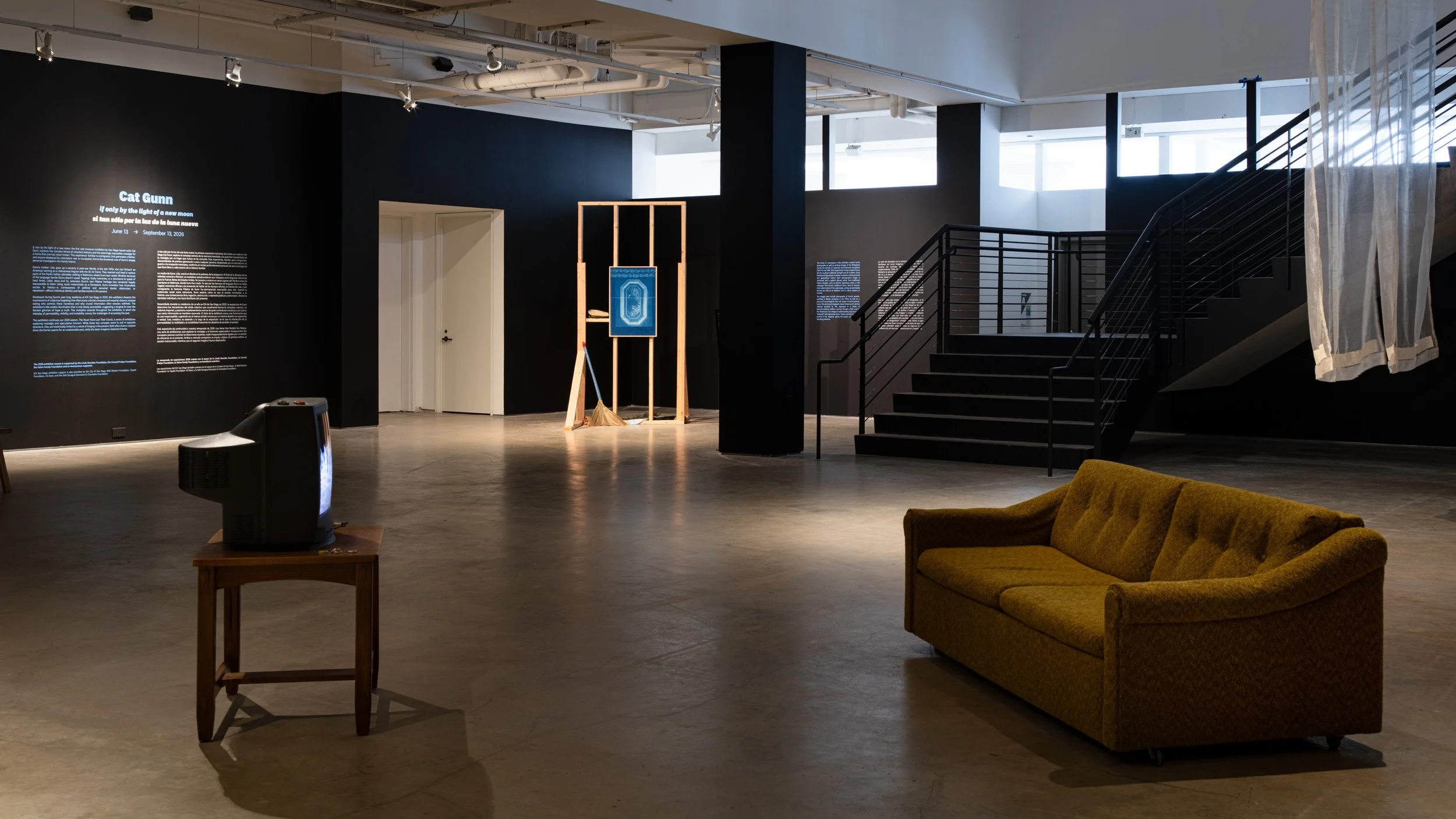
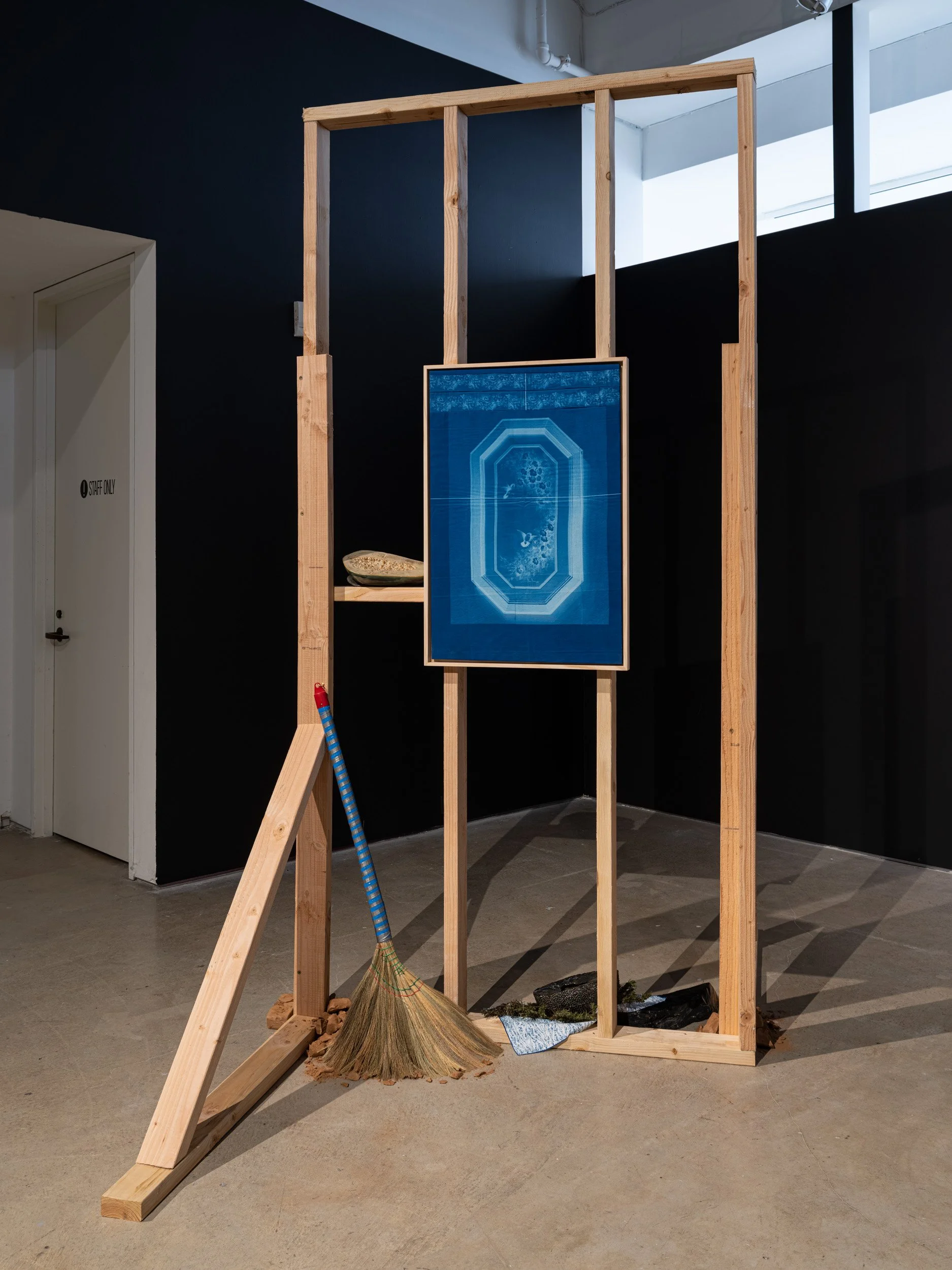
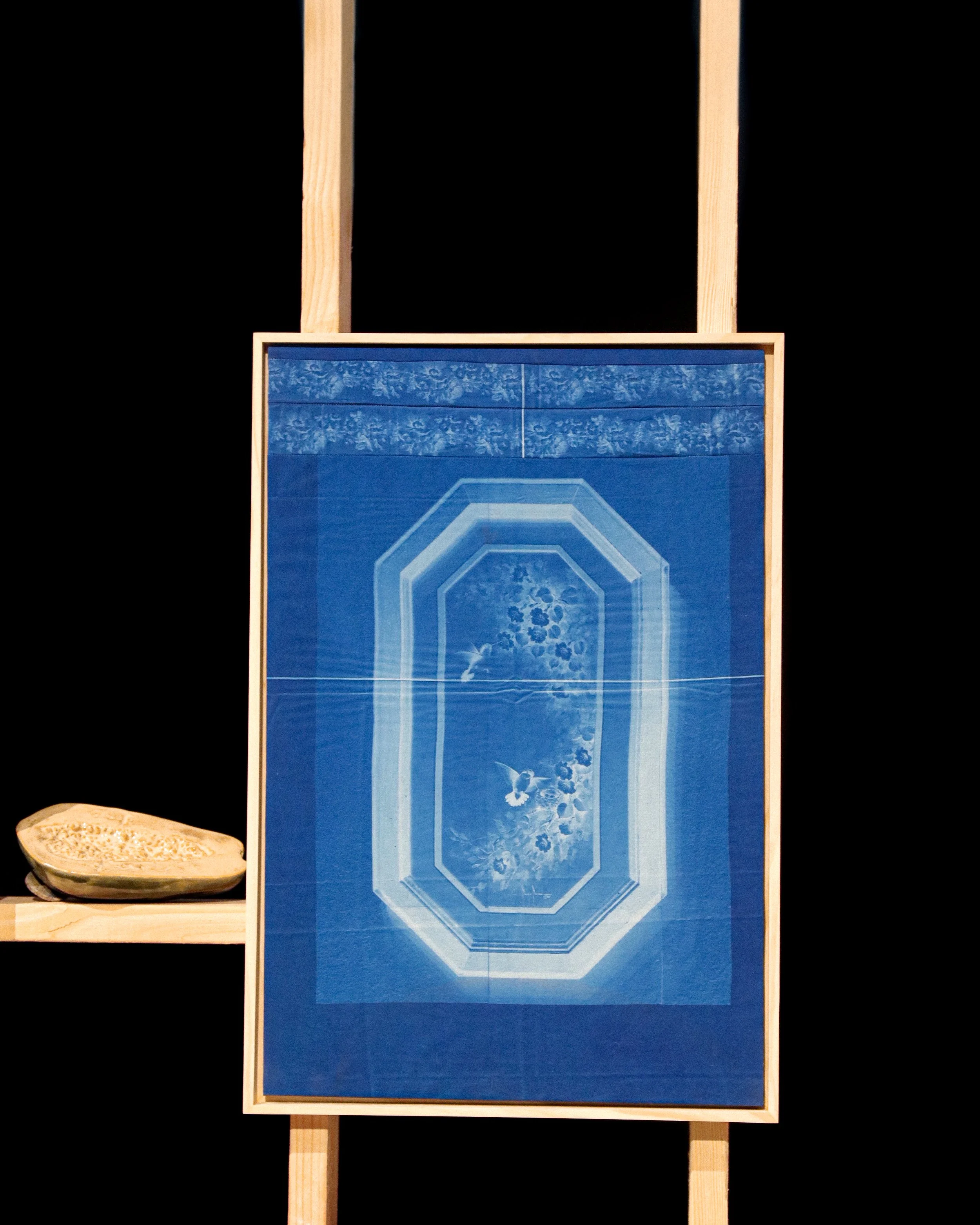
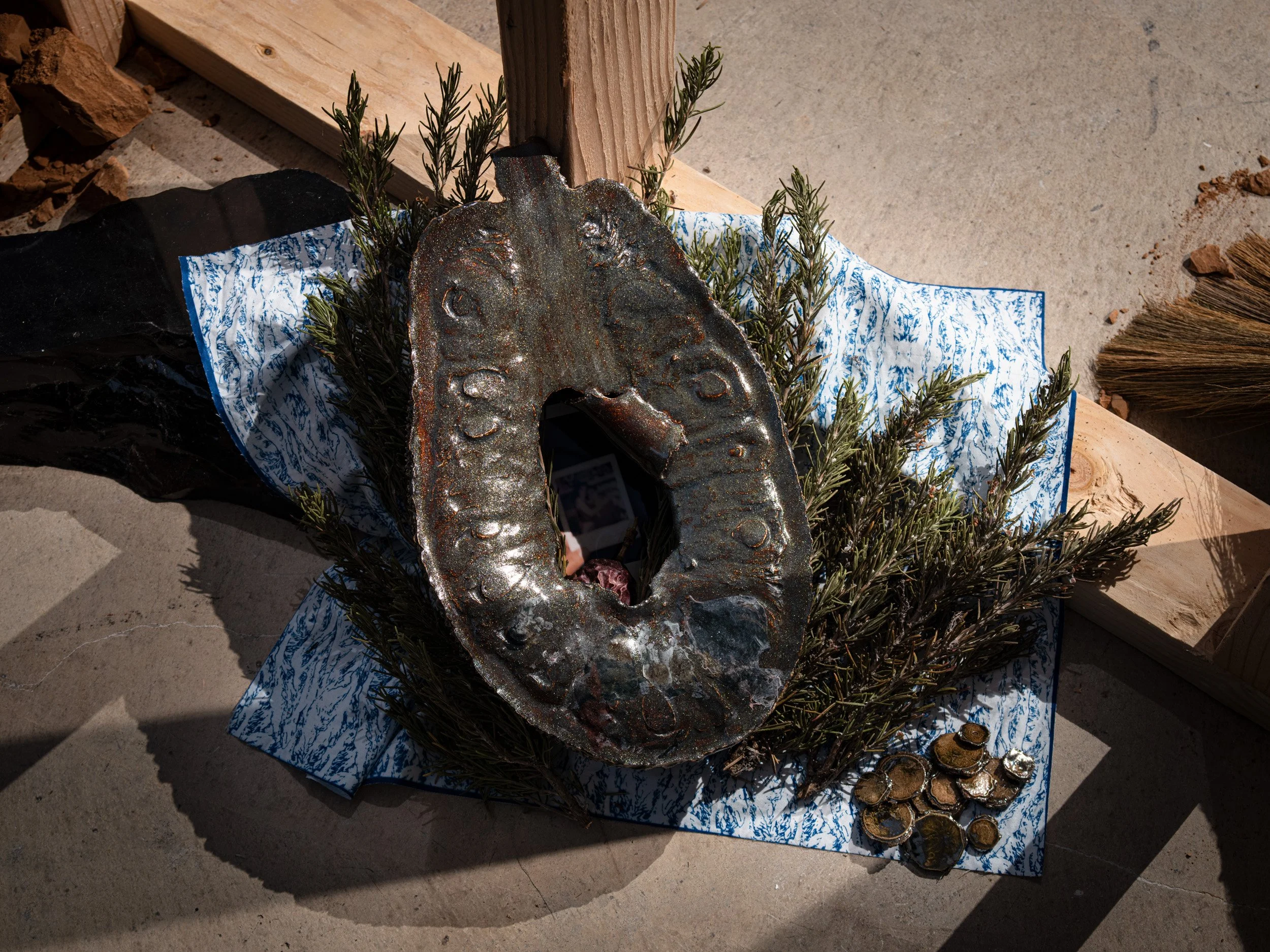
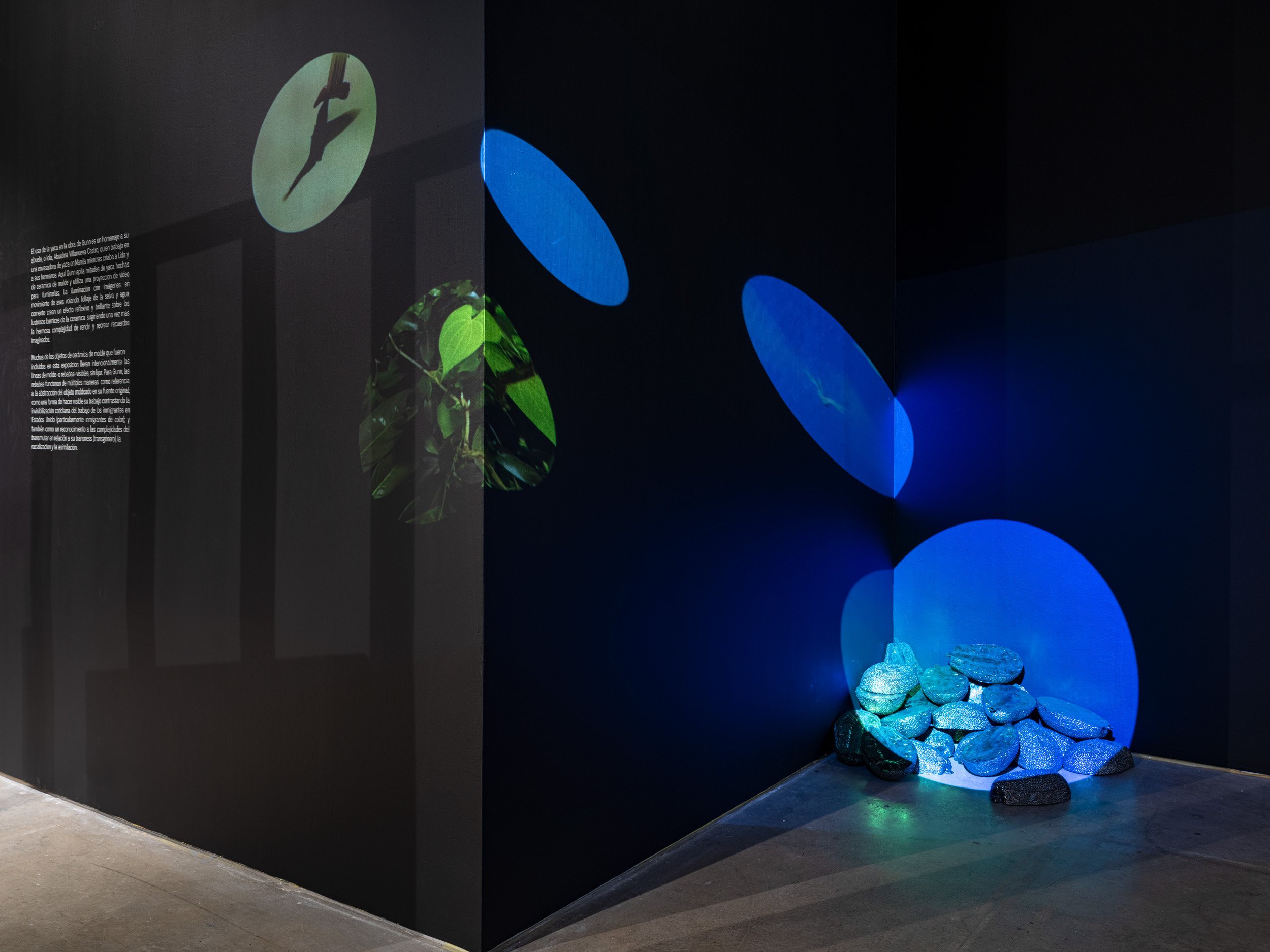
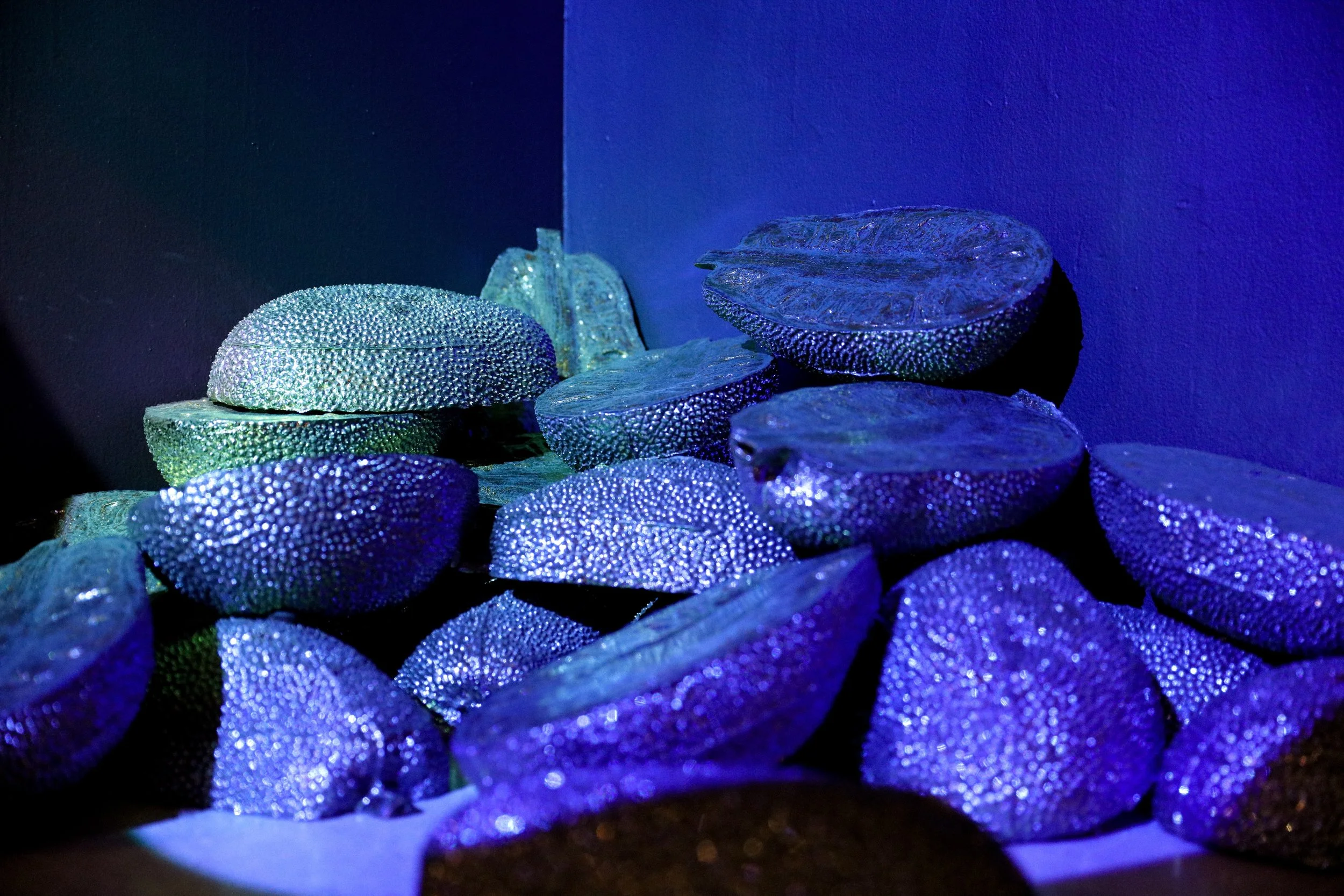
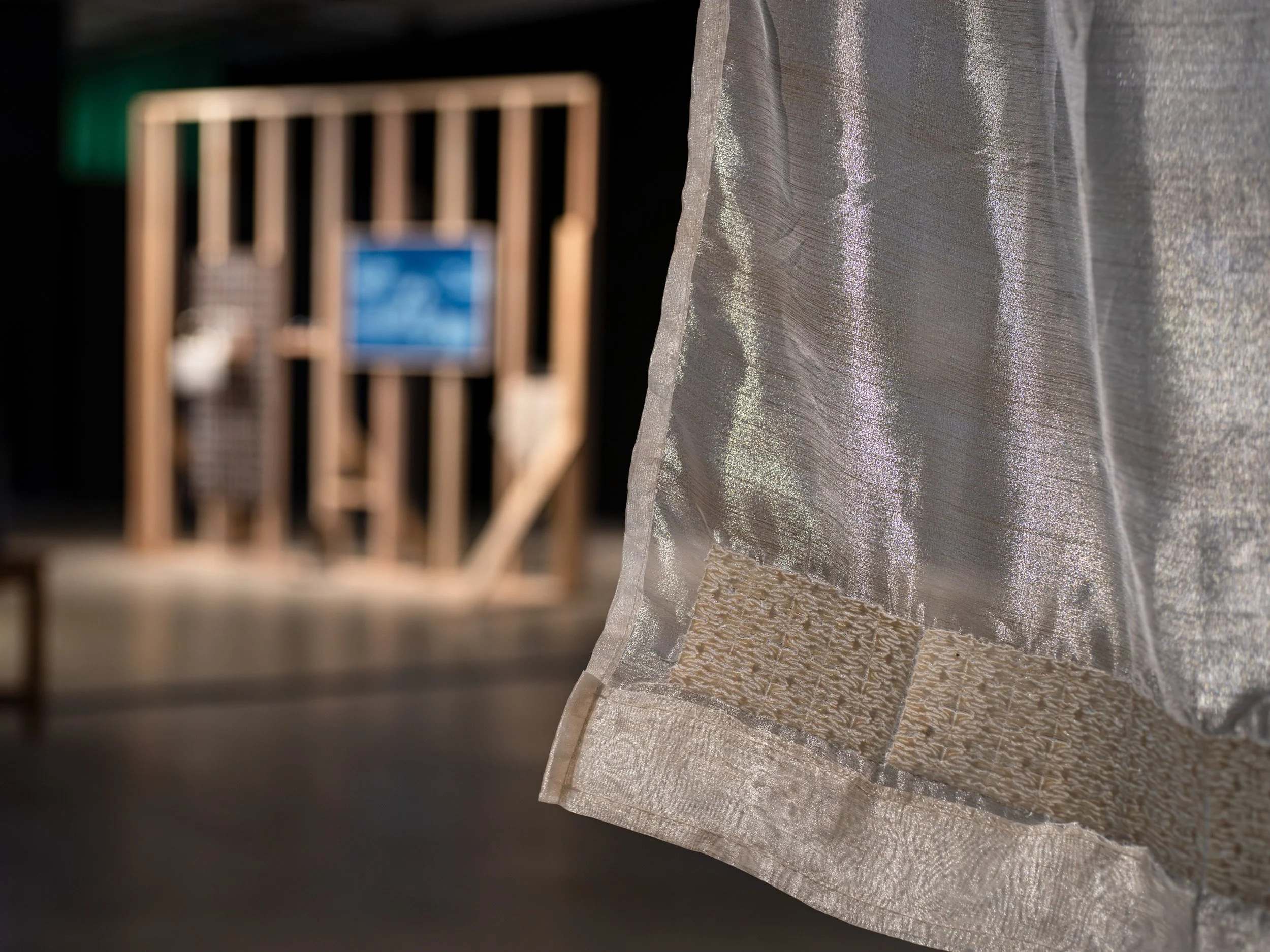
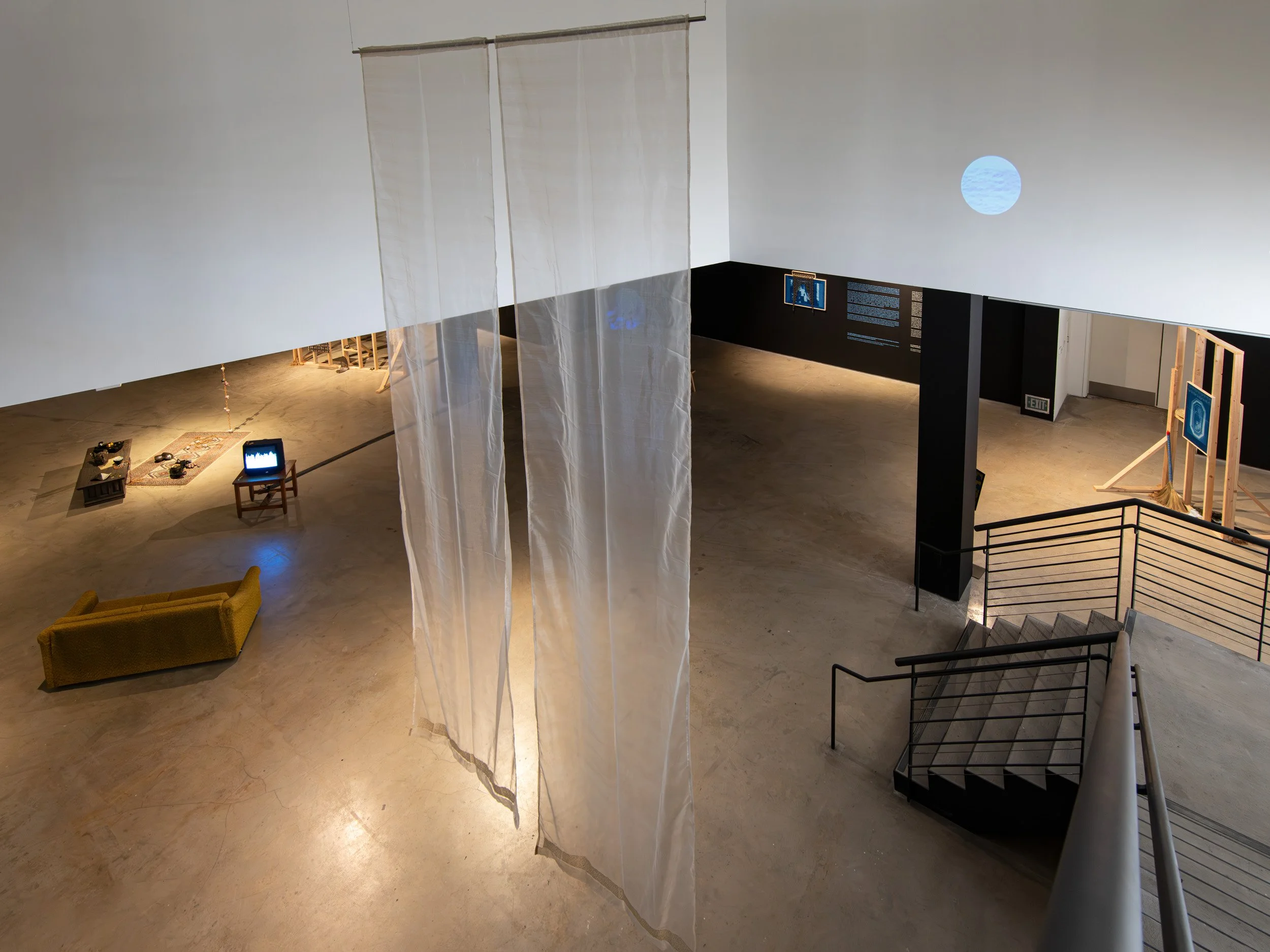
Photo Credit: Deanna Barahona and Philipp Scholz Ritterman.